Sundarkand path and Hanuman ji: the prayer for every sankat
सुंदरकांड पाठ और हनुमान जी: हर संकट में प्रार्थना
Why families read the Sundarkand, what happens in it, Hanuman ji as Sankatmochan, the custom of chola and nazar utarna, the vidhi of the path, and the Tuesdays and Saturdays it is read.
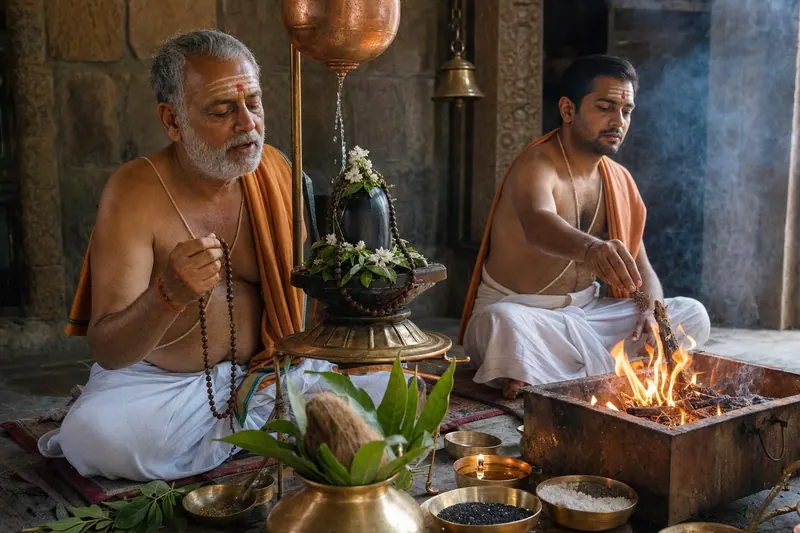
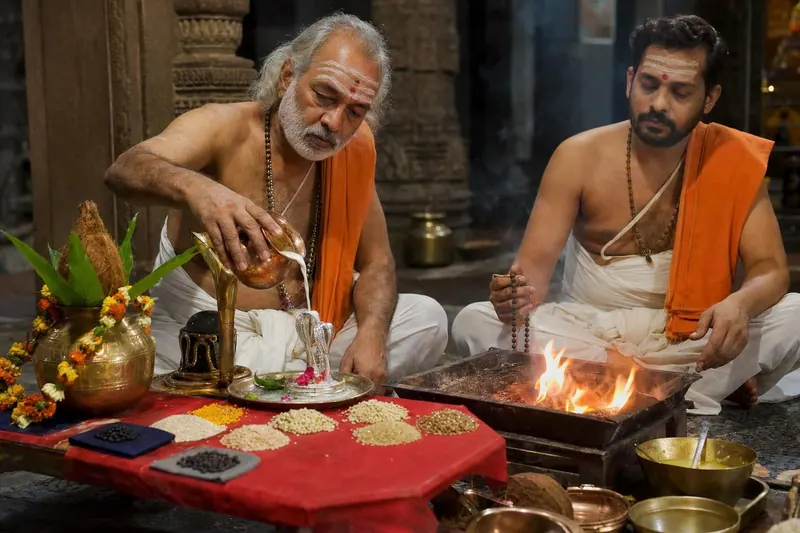
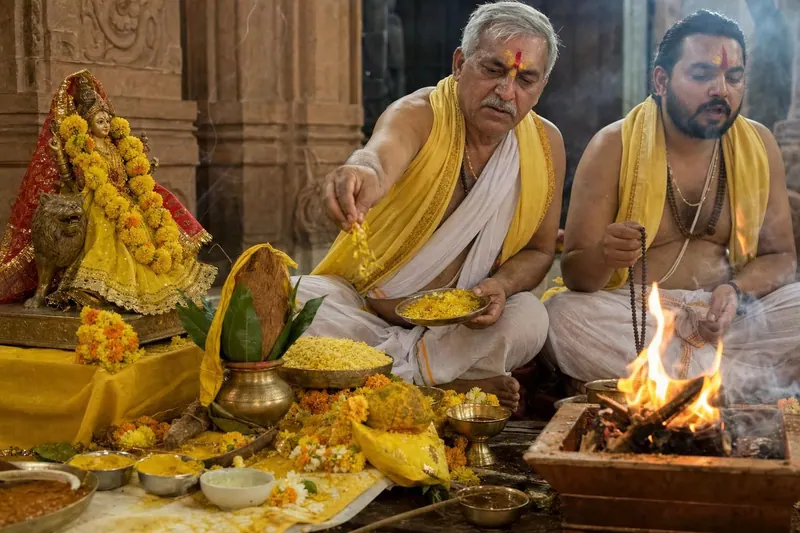
 Representational image
When a home feels heavy, when a child is frightened at night, or when a new house or car is to be blessed, many North Indian families do one thing: they gather and read the Sundarkand (सुंदरकांड). It is the most loved part of the Ramcharitmanas, and it is all about Hanuman ji. For devotees, जहाँ हनुमान जी, वहाँ संकट नहीं: where Hanuman ji is, trouble cannot stay.
What happens in the Sundarkand
The Sundarkand is the fifth kand of Goswami Tulsidas's Ramcharitmanas, as it is of the Valmiki Ramayana before it. In it Hanuman ji leaps across the ocean, overcomes every obstacle on the way, finds Sita ji in the Ashok Vatika, gives her Shri Ram's ring, sets Lanka ablaze and returns with her message. It is a story of courage, devotion and hope in the darkest hour, which is why it is read to lift a family's spirits.
प्रबिसि नगर कीजे सब काजा। हृदयँ राखि कोसलपुर राजा॥
Enter the city and do all your work, keeping the King of Kosalpur, Shri Ram, in your heart.
— Ramcharitmanas, Sundar Kand
Families often say this chaupai before setting out on any important task.
Sankatmochan
Hanuman ji is called Sankatmochan, the one who frees from trouble. In the Hanuman Chalisa, Tulsidas sings that every sankat is cut away and every pain removed for the one who remembers the mighty Hanuman.
संकट कटै मिटै सब पीरा। जो सुमिरै हनुमत बलबीरा॥
Troubles are cut away and every pain is removed for the one who remembers the mighty Hanuman.
— Hanuman Chalisa, Goswami Tulsidas
Chola and nazar utarna
Hanuman ji is offered a chola of sindoor mixed with chameli (jasmine) oil. A popular story tells that he once saw Sita ji putting sindoor in her parting and asked why; she said it was for Shri Ram's long life. If a pinch pleases the Lord, Hanuman ji thought, why not cover myself in it, and he did. The custom of nazar utarna, removing the evil eye, is also tied to him: families circle a lemon, chillies or salt around a child and say a prayer to Hanuman ji, with love for the little one.
The vidhi of the path
- Ram darbar and Hanuman pujan, with a diya of ghee or chameli oil
- Sankalp in the names of the family
- Sundarkand path from beginning to end, read together or by the pandits
- Hanuman Chalisa and the Sankatmochan Hanumanashtak
- Chola offering, and a small havan for nazar dosh nivaran
- Aarti, and prasad of boondi or besan laddu
Shubh din
Tuesday and Saturday are Hanuman ji's days, and Hanuman Jayanti, on Chaitra Purnima in North India, is the biggest of the year. Some families take a vow to read the Sundarkand on eleven Tuesdays in a row.
Based on traditional texts and popular belief; tellings differ from region to region. A puja or seva is a prayer made with faith and cannot promise a result.