Mahamrityunjay mantra: meaning, katha and jaap vidhi
महामृत्युंजय मंत्र: अर्थ, कथा और जाप विधि
The Rig Veda's prayer to the three-eyed Shiva: what its words mean, the story of Markandeya, who the jaap is done for, the vidhi of jaap and havan, and the days families choose.
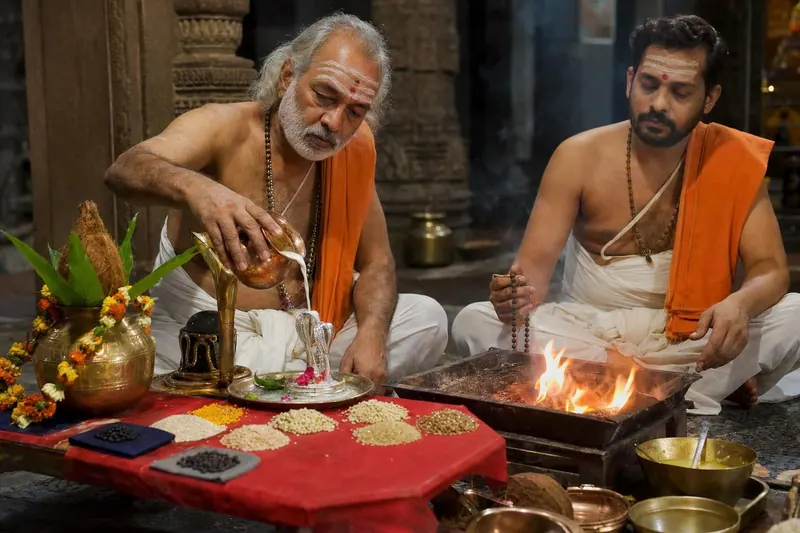
 Representational image
When someone in the family is unwell, when a parent is about to have an operation, or when an elder's health becomes a quiet worry, many Indian homes turn to one prayer: the Mahamrityunjay mantra (महामृत्युंजय मंत्र). It is addressed to Lord Shiva as Mrityunjay, the one who conquers death, and it is among the oldest prayers still chanted every day. As the elders say, “दवा भी, दुआ भी”: medicine and prayer, together.
The mantra and its meaning
The mantra comes from the Rig Veda, from a hymn of its seventh mandala, and appears again in the Yajurveda. Because it praises Tryambaka, the three-eyed Lord, it is also called the Tryambakam mantra.
ॐ त्र्यम्बकं यजामहे सुगन्धिं पुष्टिवर्धनम्। उर्वारुकमिव बन्धनान्मृत्योर्मुक्षीय माऽमृतात्॥
We worship the three-eyed One, fragrant, who nourishes and makes all things grow. As a ripe cucumber is freed from its vine, may we be freed from death, and not from immortality.
— Rig Veda 7.59.12
The image is gentle. A cucumber that has ripened fully on the vine falls away by itself, without being torn. The prayer asks for that grace: a full life, freedom from untimely suffering, and at the end, release into the eternal rather than away from it.
The katha of Markandeya
The best-loved story of the mantra is that of the boy Markandeya. Rishi Mrikandu and his wife had prayed long for a child, and Lord Shiva offered them a choice: a son of ordinary gifts who would live long, or a wise and devoted son who would live only sixteen years. They chose the devoted son. When his sixteenth year came, Markandeya sat before a Shivling, embraced it and called on Mahadev. Yamraj came with his noose, and it fell around both the boy and the Shivling. Shiva appeared, held Yama back and blessed Markandeya to remain forever young. Families tell it as a story of faith in the Lord who shelters his devotees.
Who the jaap is done for
- A family member who is unwell or recovering, alongside the doctor's treatment
- Before and after an operation
- Elderly parents, for good health and a long life
- A difficult graha dasha, when the family pandit advises it
- A birthday, for the blessing of a long and healthy year
The jaap is a prayer, never a substitute for medical care. Families continue the doctor's advice and treatment, and offer the jaap with faith alongside it.
The vidhi of jaap and havan
- Ganesh pujan, so that the puja goes without obstacles
- Sankalp: the name and gotra of the person prayed for, and the wish, spoken with water, rice and a flower in the hand
- Jaap of the mantra, counted on a mala of 108 beads; 11 malas make 1,188
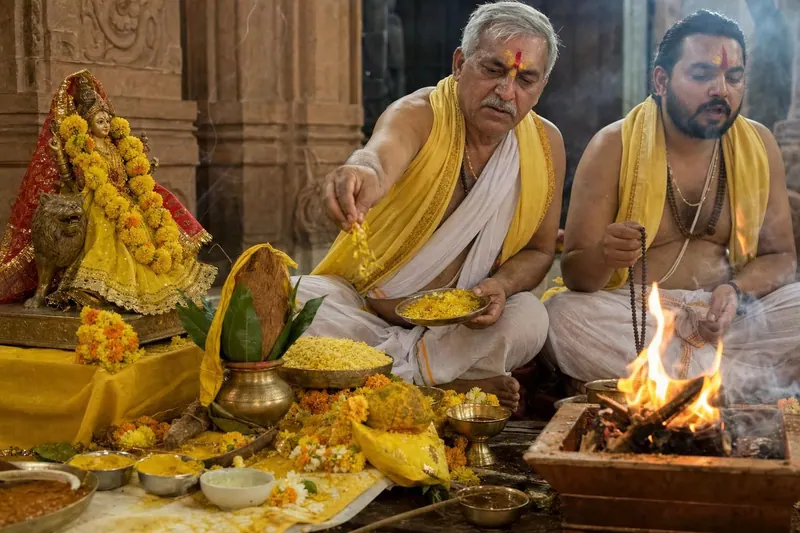
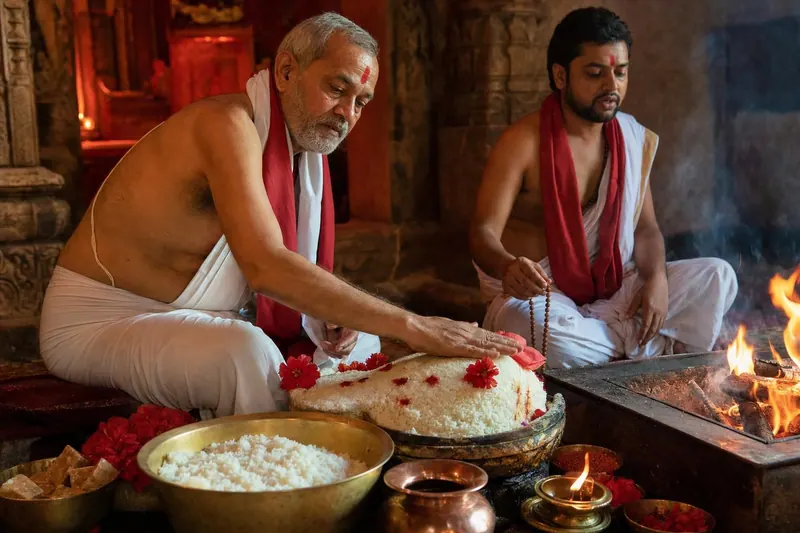
- Dashansh havan: one tenth of the count offered again as ahutis in the fire
- Jal abhishek on the Shivling, aarti, and a prayer of forgiveness for any mistakes
A full shastriya anushthan is sava lakh, 1,25,000 jaap, which several pandits complete over many days. Smaller counts of 11,000, 21,000 or 51,000 follow the same vidhi.
Days for the jaap
Monday is Mahadev's day, and Pradosh, Masik Shivratri, the month of Sawan and Maha Shivratri are especially auspicious. In illness, families do not wait for a special day: any day on which the jaap is offered with faith is a good day. Bel patra, water and milk for the abhishek, white flowers, ghee and havan samagri are what families usually offer.
Based on traditional texts and popular belief; tellings differ from region to region. A puja or seva is a prayer made with faith and cannot promise a result.