Mangal dosh and the bhat puja: why rice is offered to Mangal dev
मांगलिक दोष और भात पूजा: मंगल देव को भात क्यों चढ़ाते हैं
What it means to be manglik, the story of Mangal's birth, why Mangal dev is adorned with cooked rice, the vidhi, and the Tuesdays and Angaraki Chaturthi families choose.
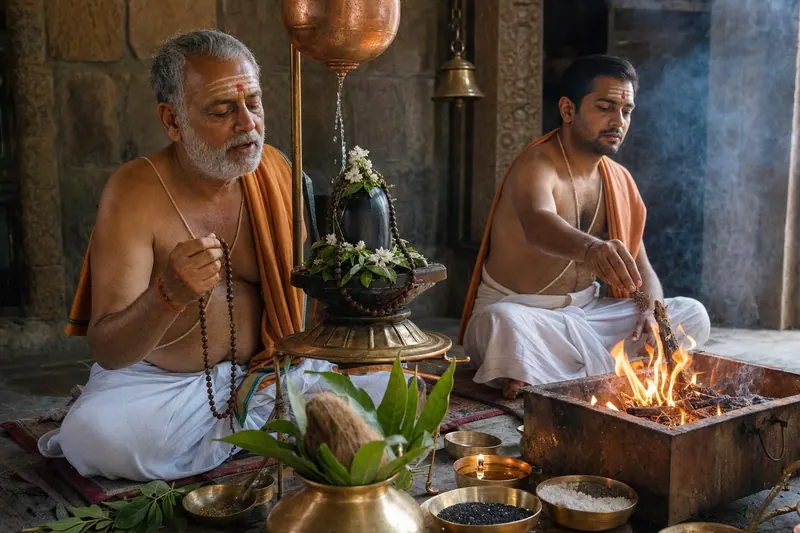
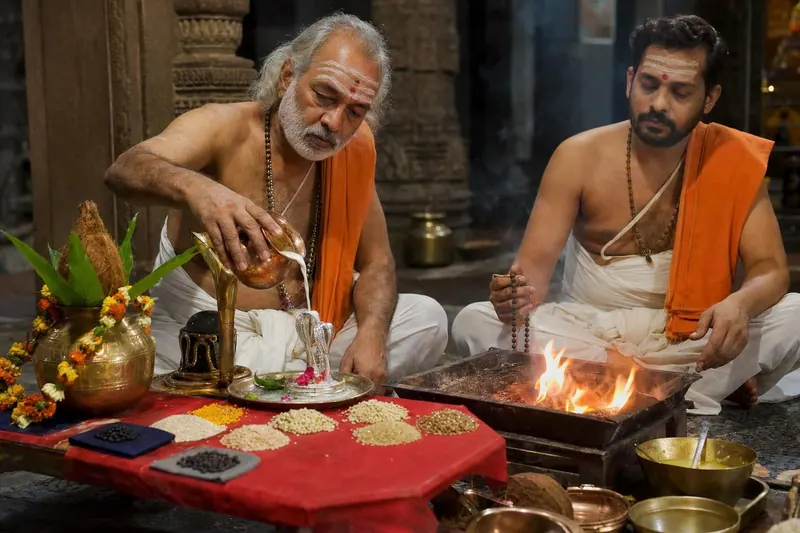
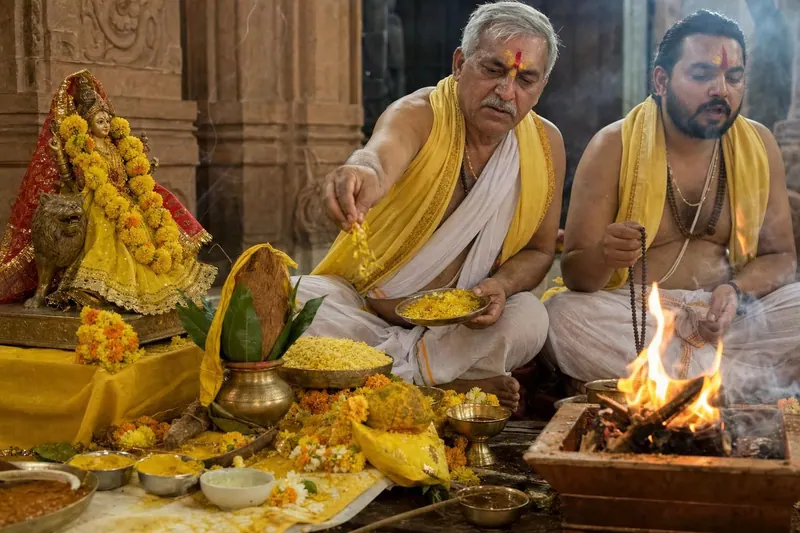
 Representational image
Few words worry Indian families during rishta talks as much as “manglik”. Yet being manglik (मांगलिक) is common, and tradition offers a gentle way to seek Mangal dev's shanti: the bhat puja, in which Mangal is worshipped in the form of a Shivling covered with cooked rice. Its message is simple: मांगलिक होना रुकावट नहीं, being manglik is not a barrier.
What it means to be manglik
In the kundli, when Mangal (Mars) sits in certain houses, most often counted as the first, fourth, seventh, eighth or twelfth, the person is called manglik and the placement is known as Mangal dosh. Mangal is the graha of energy, courage and drive, and in marriage, astrologers say, that fire needs balance. Views differ on how strong the dosh is, and many astrologers find it softened in some charts, so a pandit always reads the whole kundli.
The birth of Mangal
One tradition tells that while Lord Shiva fought the asura Andhaka, a drop of his sweat fell on the earth at Avantika, today's Ujjain, and from it Mangal was born. That is why he is called Bhaumya or Bhumiputra, the son of the earth. The Mangalnath temple of Ujjain is believed to stand where he was born, and it is the best-known place for the bhat puja.
धरणीगर्भसम्भूतं विद्युत्कान्तिसमप्रभम्। कुमारं शक्तिहस्तं तं मङ्गलं प्रणमाम्यहम्॥
I bow to Mangal, born of the earth's womb, bright as a flash of lightning, the youthful one who holds the spear.
— Navagraha Stotram, attributed to Maharishi Vyasa
Why bhat, cooked rice?
Mangal is a fiery graha, and rice is cool, white and nourishing. In the bhat puja the Shivling, worshipped as the form of Mangal dev, is covered with cooked rice, with the prayer that Mangal's heat turns into steady strength and his influence on marriage grows gentle. It is a simple, loving offering, much like serving food to an honoured guest.
The vidhi
- Ganesh pujan, and the sankalp with the name, gotra and birth details
- Mangal dev pujan with red flowers, red sandal and masoor dal, his traditional offerings
- Bhat shringar: the Shivling-form of Mangal is covered with cooked rice
- Jaap of the Mangal mantra; 10,000 is the traditional count for his shanti
- Havan, and in many families a prayer to Hanuman ji, who is also worshipped on Tuesdays
For some, tradition also prescribes Kumbh vivah or Ark vivah, a symbolic marriage to a pot or to an ark plant before the wedding. These need the person to be present and are done on-site.
Shubh din
Tuesday is Mangal's day. Angaraki Chaturthi, when the Sankashti Chaturthi falls on a Tuesday, is especially auspicious; Angaraka, the glowing one, is another name of Mangal.
Based on traditional texts and popular belief; tellings differ from region to region. A puja or seva is a prayer made with faith and cannot promise a result.