Maa Katyayani puja for marriage: the gopis' vrat and the vidhi
विवाह के लिए माँ कात्यायनी पूजा: गोपियों का व्रत और विधि
Why parents pray to Maa Katyayani for a son's or daughter's rishta, the gopis' month-long vrat in the Bhagavata, the mantra they chanted, the vidhi and the days families choose.
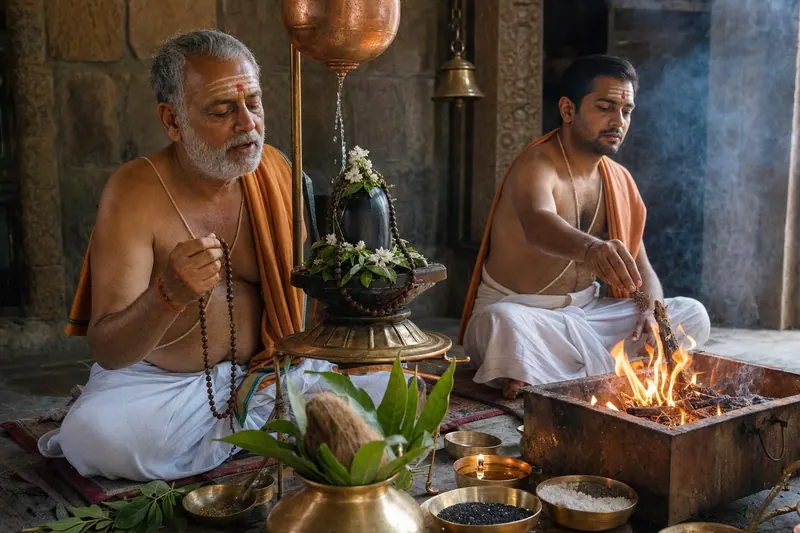
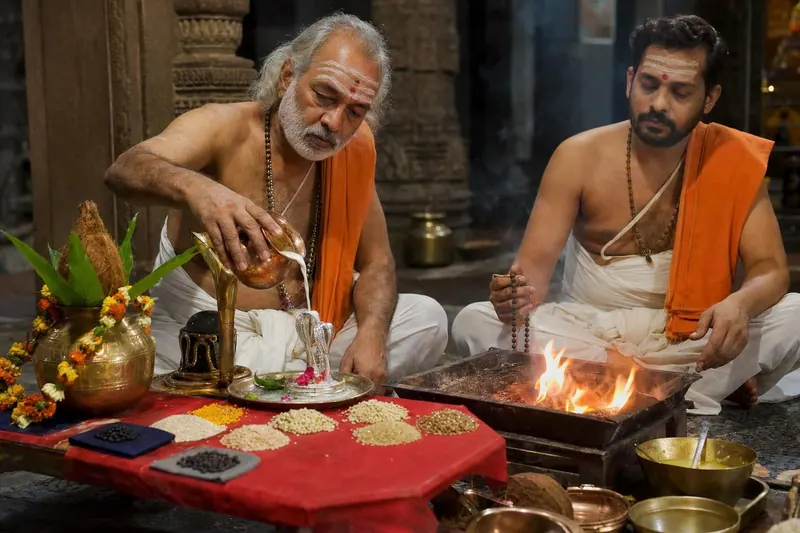
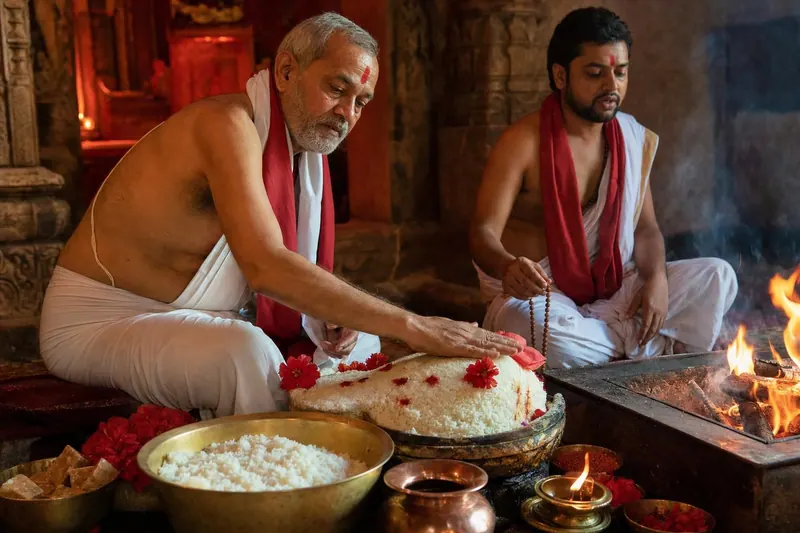
 Representational image
When a son's or daughter's marriage keeps getting delayed, or a rishta that seemed settled falls through, it is usually the parents who worry most. For generations, mothers and fathers have carried that worry to Maa Katyayani (माँ कात्यायनी), praying for a good, loving match for their child. “अच्छा रिश्ता मिल जाए”, may a good match come: it is a prayer every Indian family knows.
Who is Maa Katyayani?
Maa Katyayani is the sixth form of Navdurga, worshipped on the sixth day of Navratri. Tradition tells that the Devi appeared in the ashram of Rishi Katyayan, who was the first to worship her, and so she is called Katyayani. She is shown radiant, riding a lion, with a lotus and a sword in her hands: at once the protector of her devotees and the Mother of auspicious beginnings.
The gopis' vrat
The Bhagavata Purana tells that in Margashirsha, the first month of winter, the young gopis of Vraj kept a vrat for the whole month. Every morning they bathed in the Yamuna, made an image of the Devi in sand on the riverbank and worshipped her with sandal paste, flowers, incense and lamps, praying for Shri Krishna as their husband. This is the mantra they chanted:
कात्यायनि महामाये महायोगिन्यधीश्वरि। नन्दगोपसुतं देवि पतिं मे कुरु ते नमः॥
O Katyayani, great Maya, great yogini and ruler of all: O Devi, make the son of Nanda Gopa my husband. Salutations to you.
— Shrimad Bhagavatam 10.22.4
That is why the month of Margashirsha and the Mother's own day in Navratri are dear to families praying for a marriage. The Bhagavata also tells that Rukmini went to the temple of Ambika before her wedding and prayed for Shri Krishna, and in the Ramcharitmanas Sita ji prays to Gauri in Janakpur for the husband her heart had chosen.
Who the anushthan is for
- A son or daughter whose marriage is getting delayed
- When rishtas keep breaking off at the last step
- For a life partner of good nature, values and understanding
- Parents who wish to pray together with their child, in one sankalp
The vidhi
- Gauri–Ganesh pujan, and the sankalp with the name and gotra of the one to be married, and of the parents if they join
- Jaap of the Katyayani mantra, from 11 malas to an anushthan of many days
- Gauri–Shankar pujan, for the divine couple's blessing on a happy marriage
- Havan
- Haldi and yellow flowers offered to the Mother, the colours of auspicious beginnings and of the wedding
Shubh din
Thursdays and Fridays are traditional, Guru and Shukra being the grahas astrologers link with marriage, along with the sixth day of Navratri and the whole of Margashirsha. Vivah Panchami, the day of Shri Ram and Sita ji's wedding, also falls in Margashirsha; this year it is on Monday, 14 December.
Based on traditional texts and popular belief; tellings differ from region to region. A puja or seva is a prayer made with faith and cannot promise a result.