Sharad Purnima: why kheer is kept in the moonlight
शरद पूर्णिमा पर खीर क्यों रखते हैं
The one night the moon shines with all sixteen kalas, Maa Lakshmi's Kojagari night, Shri Krishna's Maharaas, and the tradition of moonlit kheer.
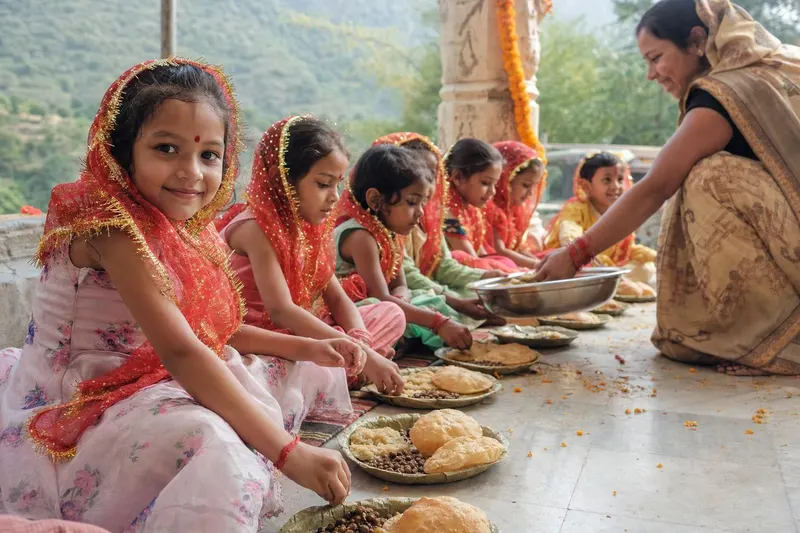
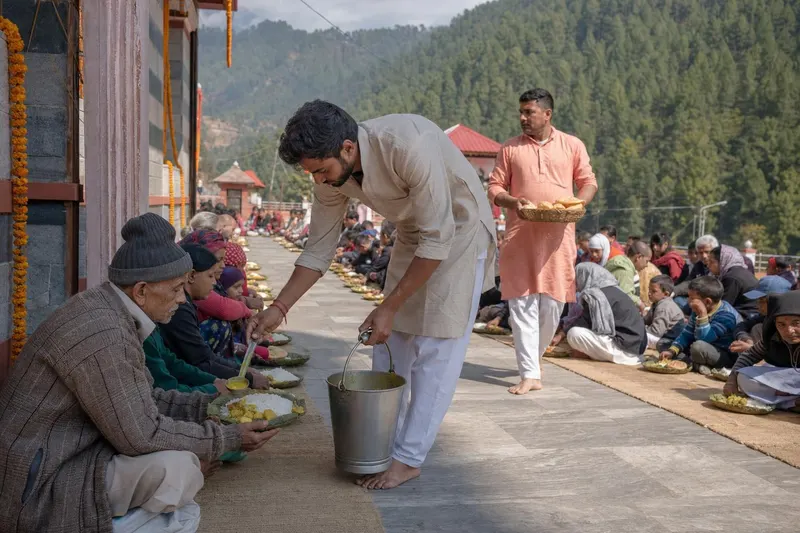
 Representational image
Sharad Purnima (शरद पूर्णिमा), the full moon of Ashwin, is the first full moon after the rains. In 2026 it falls on Sunday, 25 October; in New Delhi the Purnima tithi begins at about 11:57 AM that day, so the night of the 25th is the Purnima night. Families make kheer and leave it under the open sky through the night, offer it to God in the morning, and share it as prasad.
The night of sixteen kalas
Sharad Purnima is believed to be the only night of the year when the moon shines with all sixteen kalas (सोलह कलाएँ), its complete set of qualities, and Shri Krishna, born with all sixteen kalas, is closely tied to it. The moon's rays are said to carry amrit, the nectar of immortality, and kheer of milk, rice and sugar kept in the moonlight is believed to soak in that blessing.
ॐ सोमाय नमः
Salutations to Soma, the Moon.
— Traditional Chandra mantra
Kojagari: who is awake?
In Bengal, Odisha, Mithila and many other regions this night is Kojagari Purnima. Maa Lakshmi is believed to travel the earth asking “Ko jagarti?” (को जागर्ति?, “Who is awake?”), and to bless the homes where she finds devotees awake, lamps lit and her name on their lips. Families keep a vrat, worship Maa Lakshmi in the evening and stay up with bhajans.
Raas Purnima
The Bhagavata Purana describes autumn nights fragrant with blooming jasmine, when Shri Krishna played his flute on the banks of the Yamuna and the gopis came running to him. Their circle dance, the Maharaas, is remembered on Sharad Purnima. In Vrindavan the Lord is dressed in white, and kheer is offered under the moon.
भगवानपि ता रात्रीः शरदोत्फुल्लमल्लिकाः। वीक्ष्य रन्तुं मनश्चक्रे योगमायामुपाश्रितः॥
Seeing those autumn nights fragrant with blooming jasmine, the Lord, through his Yogamaya, turned his mind to the Raas.
— Shrimad Bhagavatam 10.29.1
Why kheer?
Milk and rice are among the purest offerings: sattvik, white like moonlight, and dear to Maa Lakshmi and Chandra Dev. Traditional wisdom also holds that a cooling dish of milk and rice, kept in the soft autumn moonlight, helps the body settle as the season turns.
How to keep the night
- Morning: bathe, take a sankalp and worship your family deity; many keep a fast until the evening.
- Evening: worship Maa Lakshmi with lamps and flowers, and offer arghya of water, milk and rice to the rising moon.
- Night: keep the kheer under the open sky, covered with a thin cloth, and stay up with bhajans and the katha.
- Next morning: offer the kheer to God and share it as prasad, first with elders and children.
A few cautions
- Cover the kheer with a clean, thin cloth to keep insects and dust away.
- Use your judgement on a warm night or if the kheer is kept very long; prasad must be safe to eat.
- Share it widely; the blessing is believed to grow as the prasad reaches more hands.
Based on traditional texts and popular belief; tellings differ from region to region. A puja or seva is a prayer made with faith and cannot promise a result.