Anna Daan: why feeding others is called mahadaan
अन्नदान का महत्व
What the Upanishads and the Gita say about food, the stories of Maa Annapurna and of Karna, the bhandara the Mother asked for, and when families offer anna seva.
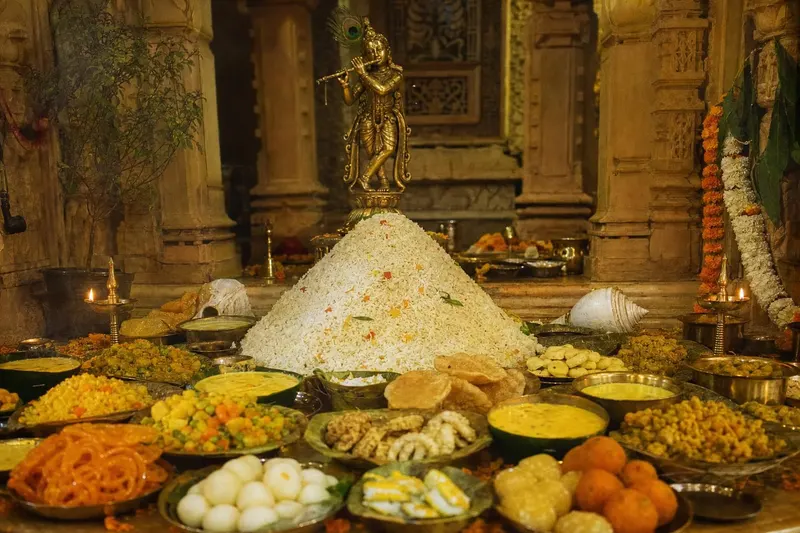
 Representational image
Of all the gifts one can give, Indian tradition places anna daan (अन्नदान), the gift of food, at the top. Gold, land and clothes can always be added to, but a hungry person who has eaten is fully satisfied. That is why anna daan is called mahadaan (महादान), the great gift, and why langars, bhandaras and prasad stand at the heart of every tirtha.
Food is Brahman
In the Taittiriya Upanishad the sage Bhrigu searches for the truth of existence, and his first realisation is that food is Brahman: from food beings are born, by food they live, and into food they return. The same Upanishad gives two simple vows: make food plentiful, and never turn away anyone who comes to your door.
अन्नं ब्रह्मेति व्यजानात्।
He came to know that food is Brahman.
— Taittiriya Upanishad 3.2
In the Bhagavad Gita (3.14), Shri Krishna describes the great cycle of giving: beings come from food, food from rain, and rain from yajna, selfless offering. Sharing food keeps that cycle turning.
Maa Annapurna's kitchen
A well-loved story tells that Lord Shiva once called the world maya, an illusion, food included. To show what food truly means, Maa Parvati withdrew, and with her went all nourishment. When hunger reached even the gods, she appeared in Kashi as Annapurna, the giver of food, and Lord Shiva himself came to her with a begging bowl. The Annapurna Stotram ends with that very prayer.
अन्नपूर्णे सदापूर्णे शङ्करप्राणवल्लभे। ज्ञानवैराग्यसिद्ध्यर्थं भिक्षां देहि च पार्वति॥
O Annapurna, ever full, beloved of Shankara, O Parvati, give me alms, that I may attain knowledge and detachment.
— Annapurna Stotram, attributed to Adi Shankaracharya
Karna and the ancestors
A popular story tells that after the Mahabharata war, Karna, famous for never refusing a gift, was offered gold instead of food in the heavens. He had given away mountains of gold, he was told, but never food in his ancestors' names. He returned to earth for fifteen days to offer food and water in their memory, which many believe is the origin of Pitru Paksha.
The bhandara at Vaishno Devi
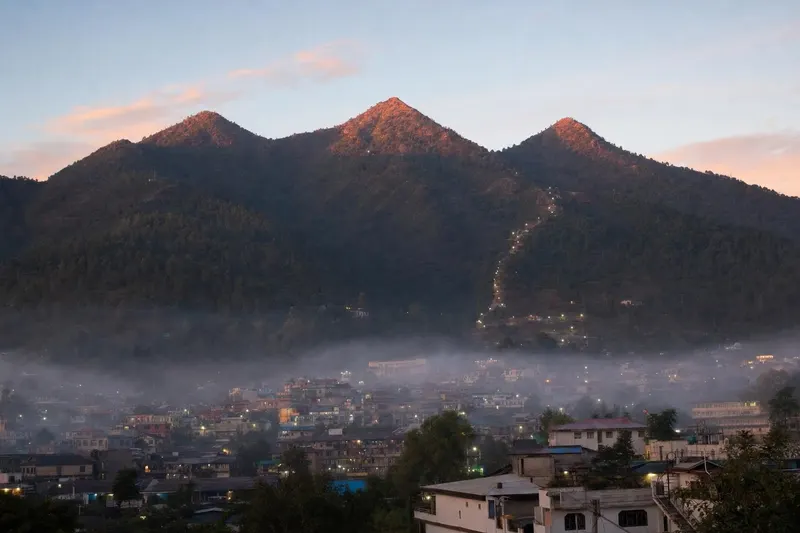
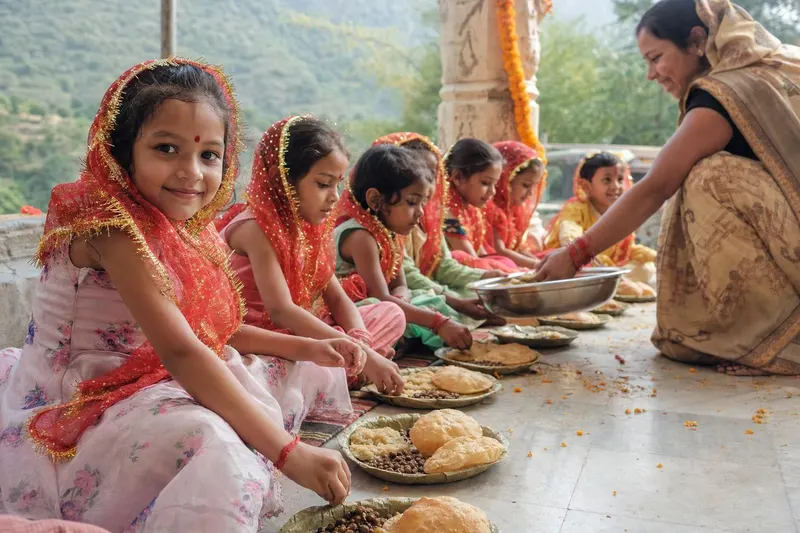
When Maa Vaishno Devi appeared at Pandit Shridhar's Kanya Pujan near Katra, the shrine's legend tells, she asked him to feed the whole village, and by her grace there was plenty for all. Feeding devotees at the foot of the Trikuta hills continues that bhandara, and those who eat still bless the giver: “अन्नदाता सुखी भव।”
When families offer anna daan
- Birthdays and wedding anniversaries
- In memory of loved ones: on a punyatithi, in Pitru Paksha or on Amavasya
- New beginnings: a new home, a new job, a child's milestone or recovery from illness
- Ekadashi, Purnima and festivals
- Any day at all: a day on which food reaches a hungry person is a good day
Dos and don'ts
- Serve fresh, sattvik food with respect; the way food is given matters as much as the food.
- Never waste food, and never serve what you would not eat yourself.
- Give without making anyone feel small: the Taittiriya Upanishad asks that gifts be given with faith and with humility.
Based on traditional texts and popular belief; tellings differ from region to region. A puja or seva is a prayer made with faith and cannot promise a result.