Shani Sadesati and Dhaiya: why Shani dev is worshipped with oil
शनि साढ़ेसाती और ढैय्या: शनि देव को तेल क्यों चढ़ाते हैं
What Sadesati and Dhaiya are, why Shani dev is called the god of justice, the stories of Hanuman ji and Shani, the tel abhishek and chhaya daan, and why Saturdays matter.
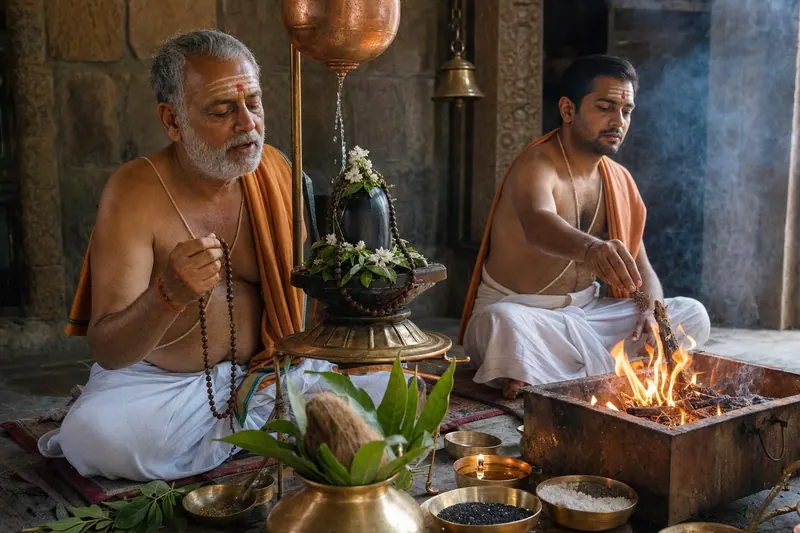
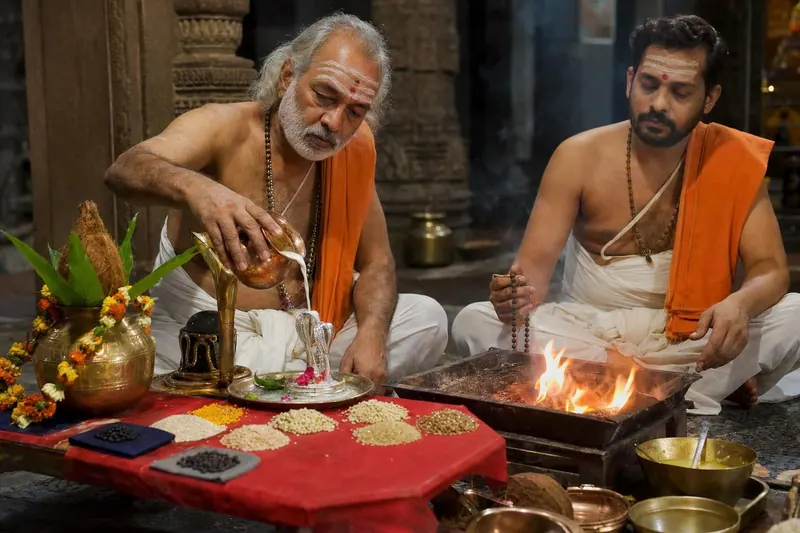
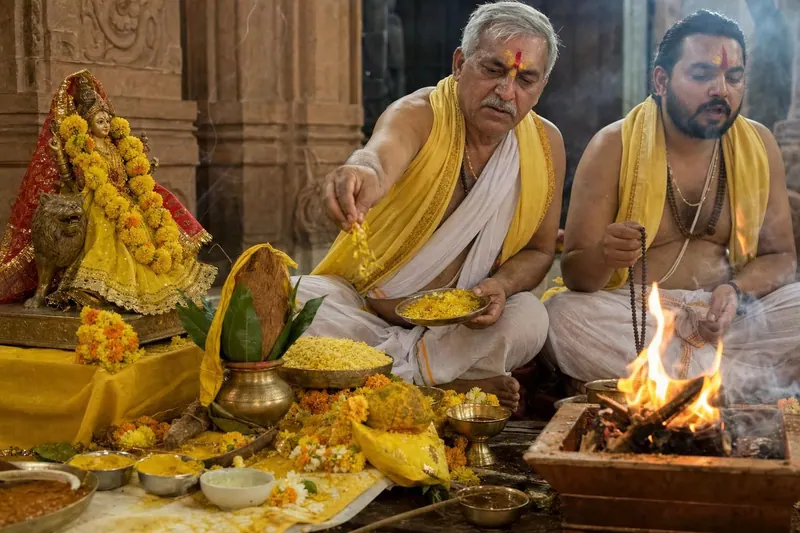
 Representational image
Mention Sadesati (साढ़ेसाती) and many people grow anxious. Tradition sees Shani dev differently: he is the god of justice and of karma, a strict but fair teacher who rewards patience, honesty and hard work. Devotees call him कर्मफल दाता, the giver of the fruit of our deeds. That is why families turn to him with devotion, not fear, when his Sadesati or Dhaiya runs.
Sadesati and Dhaiya
Shani moves slowly, staying about two and a half years in each rashi. Sadesati, seven and a half years, is the time he takes to pass through three signs: the one before your moon sign, the moon sign itself and the one after it. Dhaiya, also called the small panoti, is the two and a half years when he passes through the fourth or the eighth sign from it. A pandit can tell from your birth details which, if any, is running.
The son of Surya and Chhaya
Shani is the son of Surya and Chhaya, which is why he is linked with shadows, and the stotra calls him the elder brother of Yama. He is shown dark-hued, riding a crow, and his slow gait gives him the name Shanaishchara, the one who moves slowly.
नीलाञ्जनसमाभासं रविपुत्रं यमाग्रजम्। छायामार्तण्डसम्भूतं तं नमामि शनैश्चरम्॥
I bow to Shanaishchara, dark as blue collyrium, the son of the Sun and elder brother of Yama, born of Chhaya and Martanda.
— Navagraha Stotram, attributed to Maharishi Vyasa
Hanuman ji and Shani dev
A popular story tells that Ravana had imprisoned the grahas, Shani among them, and that Hanuman ji freed him when he set Lanka ablaze; grateful, Shani dev promised never to trouble those who worship Hanuman ji. Another tells that when Shani was hurt in a contest with Hanuman ji, mustard oil soothed his pain, and oil has been offered to him ever since. So Saturdays bring devotees to both, and Hanuman pujan is part of Shani shanti.
The vidhi
- Ganesh pujan and the sankalp with the name, gotra and birth details
- Tel abhishek: Shani dev is bathed in mustard oil, with his stotra or the Shani Chalisa
- Jaap of the Shani mantra; 23,000 is the shastriya count for a full anushthan
- Havan, Hanuman pujan and peepal pujan
- Chhaya daan: oil in which one's reflection has been seen is given away
- Daan of black til, urad dal, iron and dark cloth
Shubh din
Saturday is Shani's day. Shani Amavasya, when Amavasya falls on a Saturday, and Shani Jayanti, on the Amavasya of Jyeshtha, are the most important days of the year for his puja.
Simple habits the elders suggest
- Light a mustard-oil diya under a peepal tree on Saturday evening
- Read the Hanuman Chalisa on Tuesdays and Saturdays
- Help those who work hard for little: labourers, the elderly and the poor
- Stay honest in work and dealings; Shani, they say, watches karma closely
Based on traditional texts and popular belief; tellings differ from region to region. A puja or seva is a prayer made with faith and cannot promise a result.