Rama Ekadashi 2026: the Ekadashi named after Maa Lakshmi
रमा एकादशी 2026
Thursday, 5 November. The last Ekadashi before Diwali: why it carries Maa Lakshmi's name, the katha of Chandrabhaga and Shobhan, and how to keep the fast.
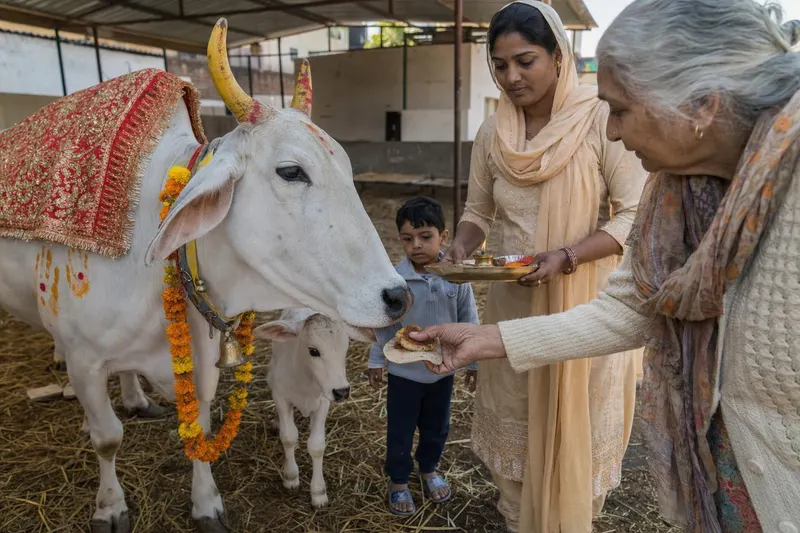
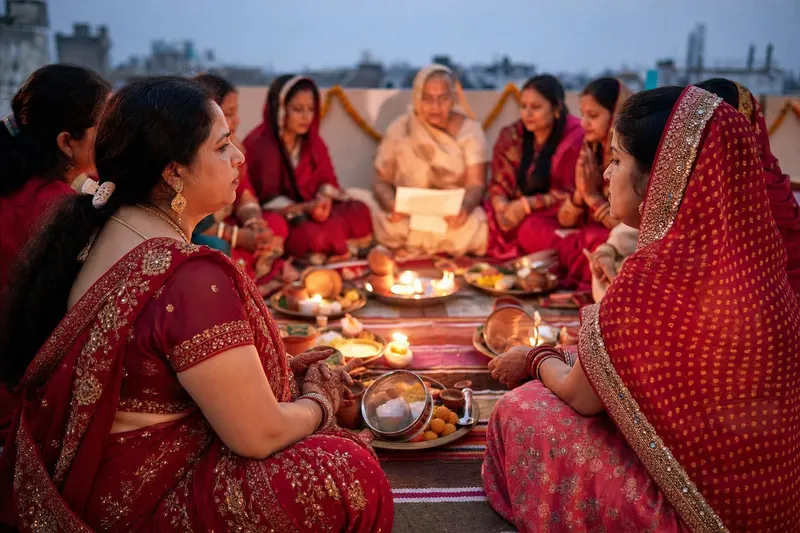
 Representational image
Rama Ekadashi (रमा एकादशी) is the Ekadashi of the waning moon in Kartik, four days before Diwali. Rama is a name of Maa Lakshmi, so on this day Lord Vishnu is worshipped together with her. It is the last Ekadashi before the festival of lights, and many families feel the Diwali days begin with it.
When is Rama Ekadashi in 2026?
Rama Ekadashi falls on Thursday, 5 November 2026. In New Delhi the Ekadashi tithi begins at about 11:04 AM on 4 November and ends at about 10:36 AM on 5 November; because Ekadashi is the tithi at sunrise on the 5th, that is the day of the fast. The fast is broken (parana, पारण) on the morning of Friday, 6 November, after sunrise and before Dwadashi ends, so check the exact window in your local panchang.
Why it is kept
Ekadashi, the eleventh day of each lunar fortnight, is dedicated to Lord Vishnu, and the Puranas praise its fast as one of the purest forms of devotion. Rama Ekadashi falls in Kartik, the month dearest to Vishnu, so the vrat is kept with special care: a fast, Vishnu–Lakshmi puja with tulsi, and an evening of kirtan and the katha.
The katha of Chandrabhaga and Shobhan
The katha of this Ekadashi, told by Shri Krishna to Yudhishthira in the traditional Ekadashi mahatmya, is about King Muchukunda, a devotee of Vishnu in whose kingdom everyone kept the Ekadashi fast. His daughter Chandrabhaga married Prince Shobhan, who was gentle but frail.
Shobhan happened to be visiting his in-laws on Rama Ekadashi. He could not bear hunger, but he kept the fast with faith because it was the custom of the kingdom, and he died before the night was over. By the merit of that one fast he was reborn as the king of a divine city on Mount Mandarachal, but his kingdom was not lasting. When Chandrabhaga learned of it, she went to him and offered him the merit of the Ekadashis she had kept since childhood, and his kingdom became everlasting. The katha teaches that a fast kept with faith is never lost. As elders put it, “श्रद्धा से किया व्रत कभी व्यर्थ नहीं जाता।”
शान्ताकारं भुजगशयनं पद्मनाभं सुरेशं विश्वाधारं गगनसदृशं मेघवर्णं शुभाङ्गम्।
I bow to Vishnu: the peaceful one who rests on the serpent, from whose navel the lotus grows, lord of the gods, support of the universe, vast as the sky, dark as a rain cloud, of auspicious form.
— Traditional Vishnu dhyana shloka
How the vrat is kept
- On Dashami (4 November) eat one simple sattvik meal before sunset, without rice.
- On Ekadashi morning bathe, take a sankalp for the fast, and worship Lord Vishnu and Maa Lakshmi with tulsi, yellow flowers, a ghee diya and panchamrit.
- Keep the fast as your health allows: nirjala, with water, or with fruit and milk (phalahar, फलाहार), but without grains.
- Read or listen to the katha, chant ॐ नमो भगवते वासुदेवाय or the Vishnu Sahasranama, and spend the evening in kirtan.
- On Dwadashi morning, after puja and a little daan, break the fast within the parana window.
What to offer
- Tulsi leaves, picked the day before
- Yellow flowers, sandalwood and a ghee diya
- Panchamrit, seasonal fruit, makhana and sweets made without grain
- A lotus or white flowers for Maa Lakshmi
Dos and don'ts
- Do not pluck tulsi leaves on Ekadashi; pick them the day before.
- Avoid rice and grains, onion and garlic.
- Avoid anger, gossip and sleeping through the day, and keep the mind on the Lord.
- Children, the elderly, the unwell and pregnant women can keep a light phalahar fast, or simply do the puja.
Based on traditional texts and popular belief; tellings differ from region to region. A puja or seva is a prayer made with faith and cannot promise a result.