Gopashtami 2026: the day Gopal first led the cows
गोपाष्टमी 2026
Tuesday, 17 November. Why Gopashtami is the festival of Gau Mata, the story of young Krishna and the herd, and how to do gau puja.
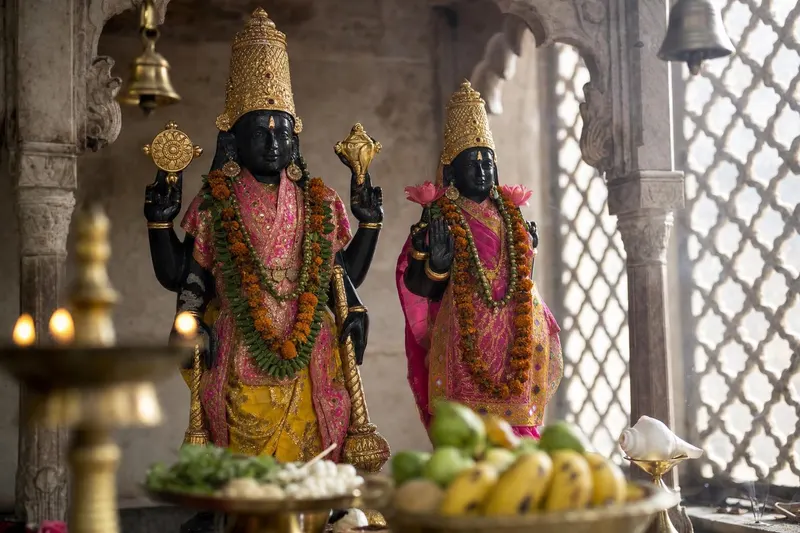
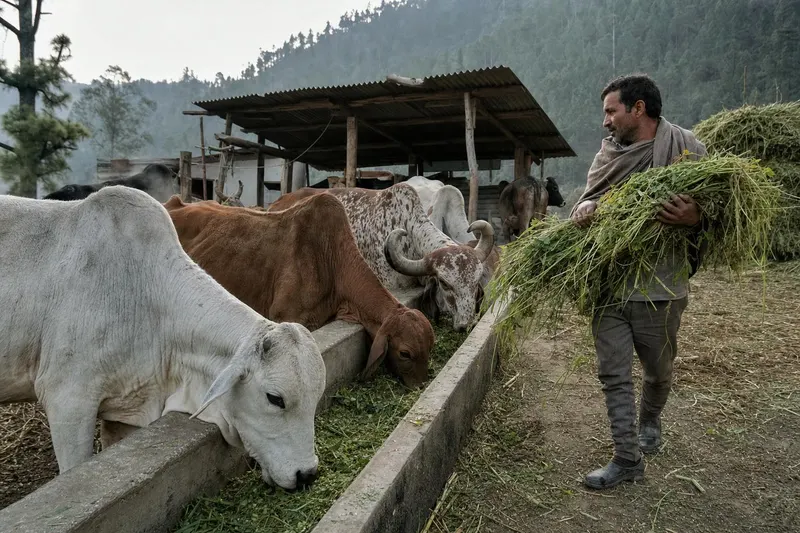
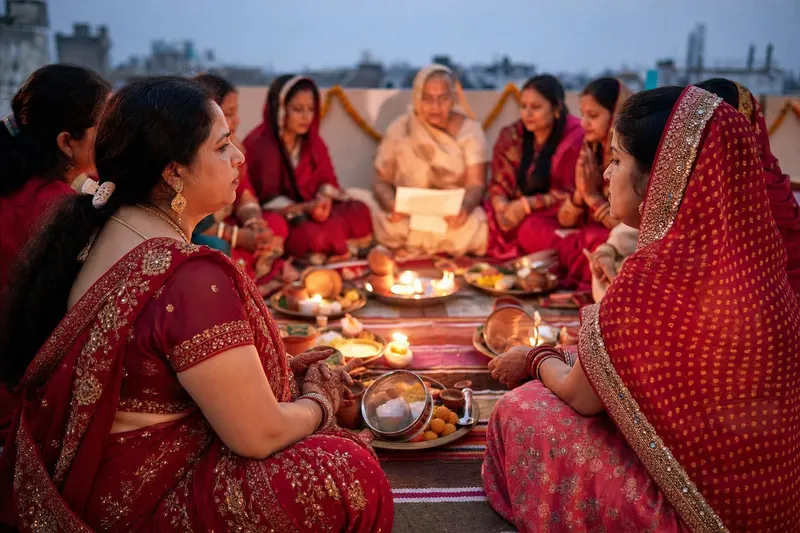
 Representational image
Gopashtami (गोपाष्टमी) falls on the Ashtami of the bright half of Kartik, a little over a week after Diwali. It is the festival of Gau Mata and of Shri Krishna as Gopal, the protector of cows. Cows and calves are bathed, decorated, worshipped and fed, and families pray for the wellbeing of the home and its animals.
When is Gopashtami in 2026?
Gopashtami falls on Tuesday, 17 November 2026. In New Delhi the Ashtami tithi begins at about 4:20 AM on 17 November and lasts until about 6:06 AM on 18 November, so the whole day of the 17th is Ashtami. The next day, 18 November, is Akshaya (Amla) Navami.
Why it is celebrated
As small boys in Braj, Krishna and Balram looked after the calves. Tradition tells that when they grew old enough, Nanda Baba and the elders chose the Ashtami of Kartik for them to take the full herd of cows out to graze for the first time. From that day Krishna was a gopal, a keeper of cows, and the day became Gopashtami.
A popular belief adds that after the Govardhan leela, when Indra gave up his pride, Kamadhenu came and bathed Krishna with her milk, and he was hailed as Govinda. Either way, the day joins Krishna's love for the cows with the honour Indian homes give to Gau Mata, whose milk sustains the family and every yagna.
गावो ममाग्रतः सन्तु गावो मे सन्तु पृष्ठतः। गावो मे हृदये सन्तु गवां मध्ये वसाम्यहम्॥
May cows be before me, may cows be behind me, may cows be in my heart; I live among the cows.
— Popular gau prarthana, a form of a verse in the Mahabharata's Anushasana Parva
How to do gau puja on Gopashtami
- In the morning, bathe the cow and calf gently, or visit a gaushala where they are cared for.
- Apply a tilak of roli and haldi, put on a garland or a fresh cloth, and do the aarti of Gau Mata with a diya.
- Offer green fodder, gud, a roti or two and soaked chana, and walk around the cow in parikrama.
- Touch the cow's back with respect and seek her blessing; in Braj, devotees also touch the dust of the cows' path (godhuli, गोधूलि) to their foreheads.
- In the evening, when the herd comes home, light a diya and give thanks.
What to offer
- Fresh green fodder (hara chara, हरा चारा)
- Gud (jaggery), chokar (bran) and soaked chana
- Roti made at home, without salt or spice
- Roli, haldi, flowers and a ghee diya for the puja
Dos and don'ts
- Never feed cows plastic, packaged food, sweets, stale or mouldy bread or spoiled food; it harms them.
- Approach gently and from the side, and keep children a safe distance from horns and hooves.
- If there is no cow near you, support a gaushala; feeding cows through others is gau seva too.
- Remember the calves: they need care as well.
Based on traditional texts and popular belief; tellings differ from region to region. A puja or seva is a prayer made with faith and cannot promise a result.