Pitru dosh and Tripindi Shraddh: peace for the ancestors
पितृ दोष और त्रिपिंडी श्राद्ध: पितरों की शांति
What families mean by pitru dosh, why shraddh is an act of gratitude, the Tripindi Shraddh and Narayan Bali, Gaya and Trimbakeshwar, and the days of Pitru Paksha and Amavasya.
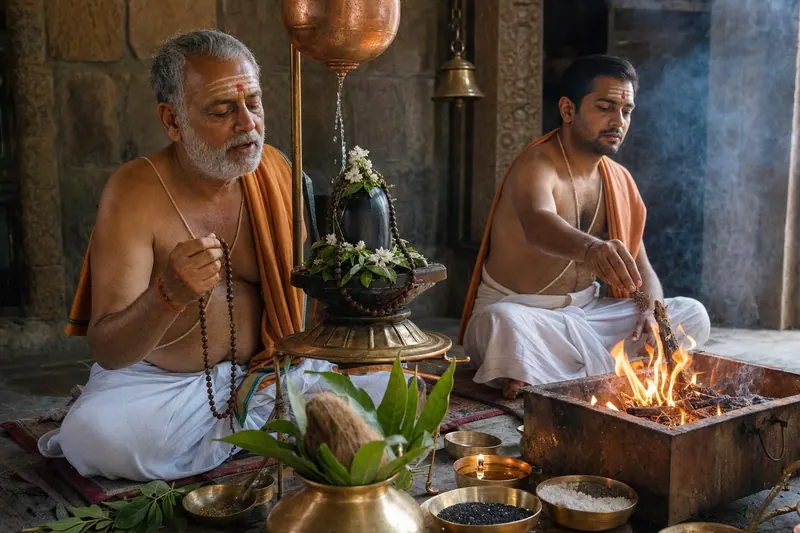
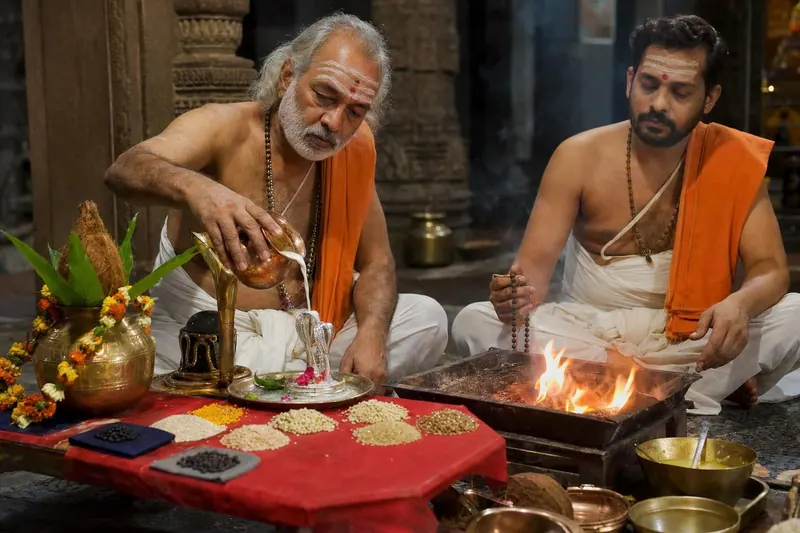
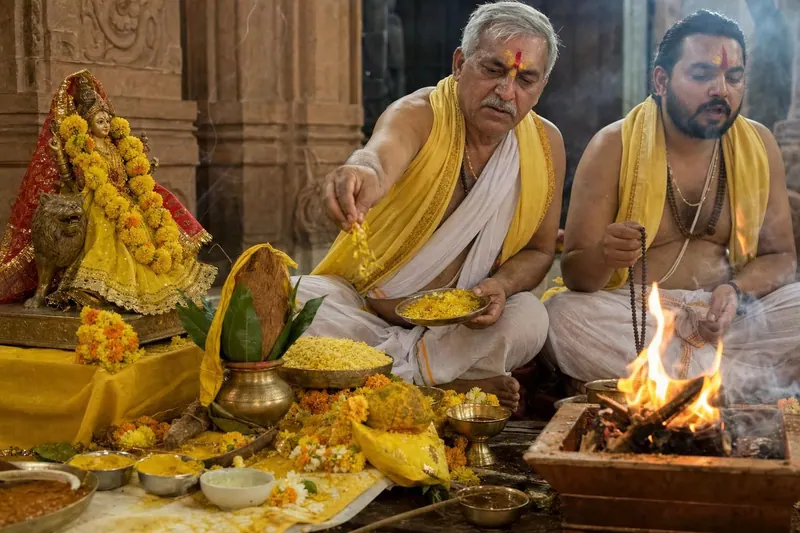
 Representational image
Indian tradition never lets go of those who came before us. Every year in Pitru Paksha, and on every Amavasya, families offer water, sesame and food in the names of their ancestors, the pitras. Shraddh (श्राद्ध) comes from shraddha, faith: it is what we offer them with faith and gratitude. The hope behind it is simple: पितरों की शांति, घर में सुख, peace for the ancestors and happiness at home.
What is pitru dosh?
When peace is missing at home without a clear reason, or when marriage and children are delayed, families sometimes wonder whether their ancestors are at peace. In astrology a kundli can show what pandits call pitru dosh. Tradition links it to shraddh left undone, or to an ancestor who died untimely and whose rites could not be completed. The remedy it offers is not fear but remembrance: rites done with love, so that the ancestors are content and bless the family.
Tripindi Shraddh
Tripindi means three pindas. In this shraddh, offered for ancestors of the past three generations whose rites may have been missed, three pindas, traditionally of barley, rice and sesame, are offered with mantras after tarpan, and Brahmins and a cow are fed. Unlike the yearly shraddh for a known ancestor on their tithi, it is offered for all those whose names may not even be remembered.
पितृभ्यः स्वधायिभ्यः स्वधा नमः पितामहेभ्यः स्वधायिभ्यः स्वधा नमः प्रपितामहेभ्यः स्वधायिभ्यः स्वधा नमः।
To the fathers who receive svadha, svadha and salutations; to the grandfathers, svadha and salutations; to the great-grandfathers, svadha and salutations.
— Shukla Yajurveda 19.36
Narayan Bali, Gaya and Trimbakeshwar
Narayan Bali is a separate rite of two to three days, offered for an ancestor who died an untimely death. Lord Vishnu, Narayan, is worshipped so that the departed soul finds peace. Trimbakeshwar near Nashik is the best-known place for Narayan Bali and Tripindi Shraddh, and Gaya in Bihar, with its Vishnupad temple, is the most famous tirtha for pind daan.
The vidhi of a pitru shanti puja
- Sankalp in the names of the family and the ancestors, with the gotra
- Pitru tarpan: water with black sesame and kusha offered with the ancestors' names
- Pind daan for the three generations
- Brahman bhojan: a meal offered to a Brahmin with respect
- Gau grass: the first portion of food for the cow, and in many families portions for crows and dogs
- Daan of clothes, food or grain, as the family is able
Shubh din
Pitru Paksha, the fortnight from Bhadrapada Purnima to Ashwin Amavasya, is the great season for shraddh, and Sarva Pitru Amavasya at its end is kept for all ancestors whose tithi is not known. Every Amavasya is also a day for tarpan.
A few things to remember
- Cook simple, sattvik food, and the ancestors' favourite dishes if you know them
- Speak of the ancestors with respect, and tell their stories to the children
- Feeding the hungry in their names is shraddh too
Based on traditional texts and popular belief; tellings differ from region to region. A puja or seva is a prayer made with faith and cannot promise a result.