Mata Rani's prasad: why the Mother's prasad is brought home
माता रानी का प्रसाद: माँ का प्रसाद घर क्यों लाते हैं
What prasad means, why families bring Mata Rani's prasad home from the yatra for everyone, the custom of the chunri, how to receive prasad at home, and how it can reach you from Katra.
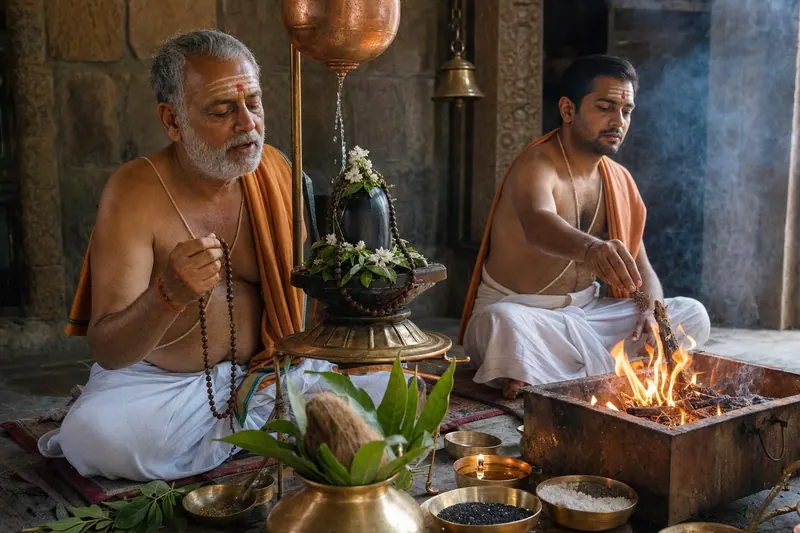
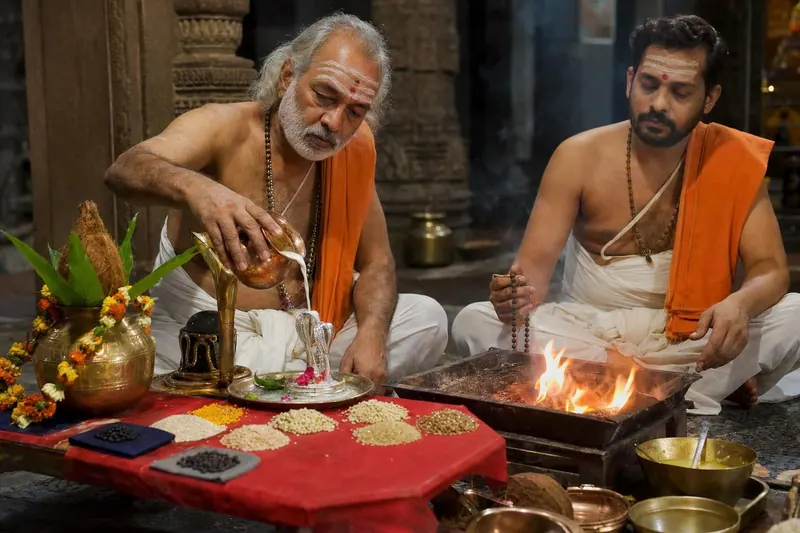
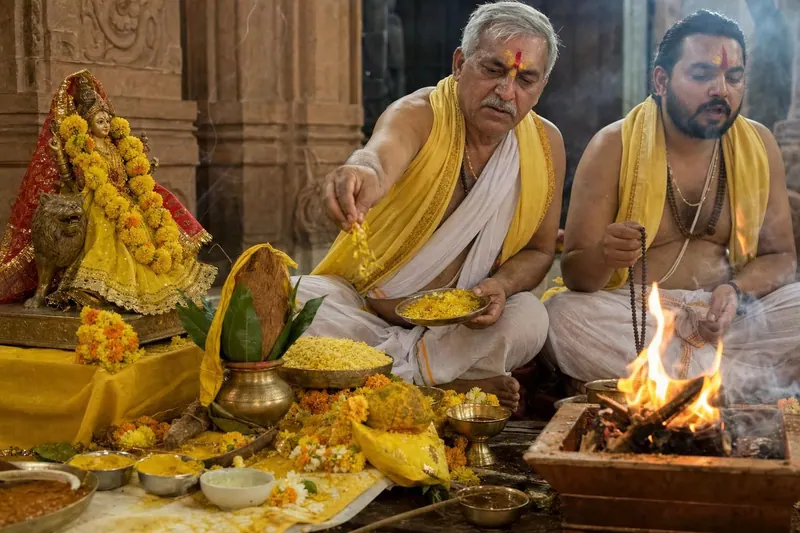
 Representational image
When someone comes home from the yatra of Mata Vaishno Devi, the first thing the family asks for is prasad (प्रसाद). A little is placed in the home mandir, a little goes to every member, and some is kept for the neighbours and relatives who could not go. “जय माता दी,” everyone says, and takes it with both hands.
What prasad means
Prasad means grace. Food offered to the Lord with love is accepted by him, and what returns to us carries his blessing. In the Bhagavad Gita, Shri Krishna says that he accepts even a leaf, a flower, a fruit or a little water, if it is offered with devotion.
पत्रं पुष्पं फलं तोयं यो मे भक्त्या प्रयच्छति। तदहं भक्त्युपहृतमश्नामि प्रयतात्मनः॥
Whoever offers me with devotion a leaf, a flower, a fruit or water, that offering of love from a pure heart I accept.
— Bhagavad Gita 9.26
Why the Mother's prasad is brought home
For Mata Rani's devotees, her prasad is the Mother's blessing carried home to those who could not make the climb: elderly parents, the unwell, children, family far away. Her own legend begins with food: Maa Vaishno Devi asked Pandit Shridhar to feed the whole village, and by her grace no one went hungry. Sharing her prasad carries that bhandara into every home.
In many families the prasad is also kept for the next family gathering, so that the blessing of the yatra reaches everyone, even those who live far away.
The chunri
A red chunri is among the most loved offerings to the Mother. Red is the colour of shakti and of saubhagya, and a chunri offered with a prayer is like dressing the Mother as the daughter of the house. Families offer one for a wish, in thanks for a wish fulfilled, or simply out of love.
Receiving prasad at home
- Open it with clean hands, and first place a little before Mata Rani in your home mandir
- Share it with every member of the family, the elders first, and with those who could not go
- Take it with respect and never throw it away; if any is left too long to eat, put it under a tree or in flowing water rather than in the bin
- Keep dry prasad in a closed box, away from moisture
- Say “Jai Mata Di” and remember the Mother as you eat it
When families send prasad
- Navratri and the Mother's festivals
- Birthdays and wedding anniversaries
- A new home, a new job or a child's milestone
- For parents and elders who can no longer make the yatra
Based on traditional texts and popular belief; tellings differ from region to region. A puja or seva is a prayer made with faith and cannot promise a result.