Chhath Puja 2026: four days of devotion to Surya and Chhathi Maiya
छठ पूजा 2026
From Nahay-Khay on 13 November to the sunrise arghya on 16 November: why Chhath is kept, the four days, what goes into the soop, and the rules of purity.
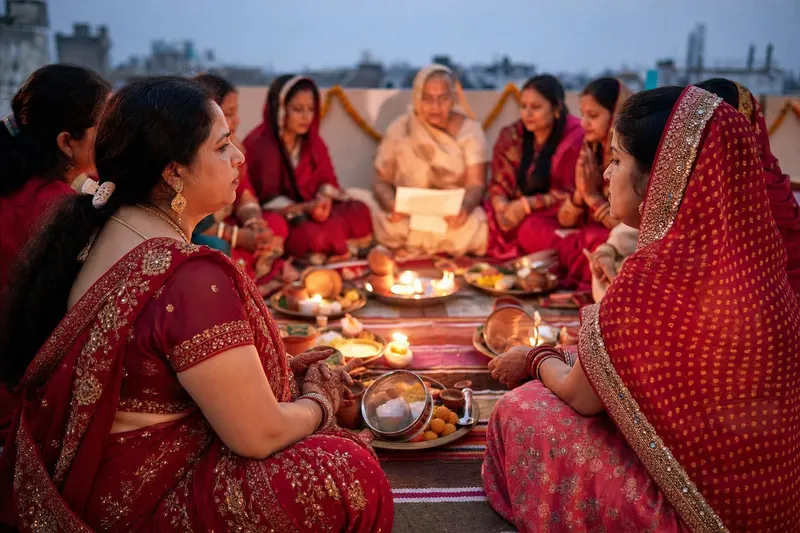
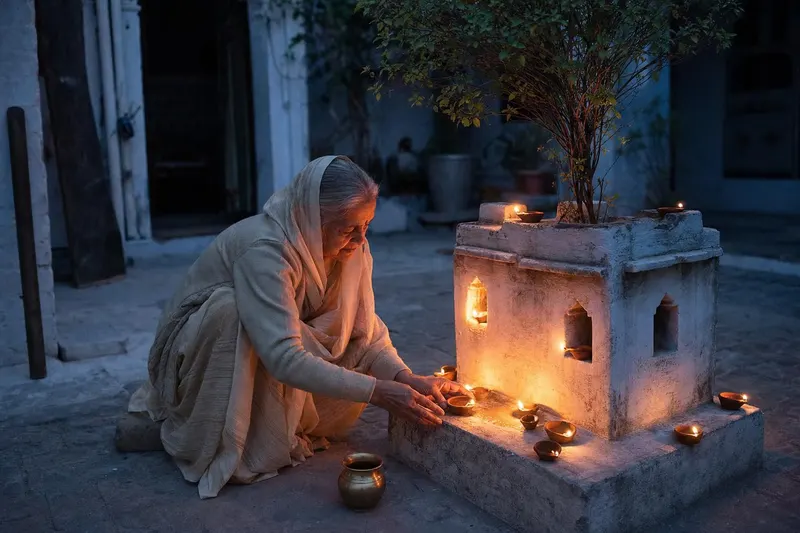
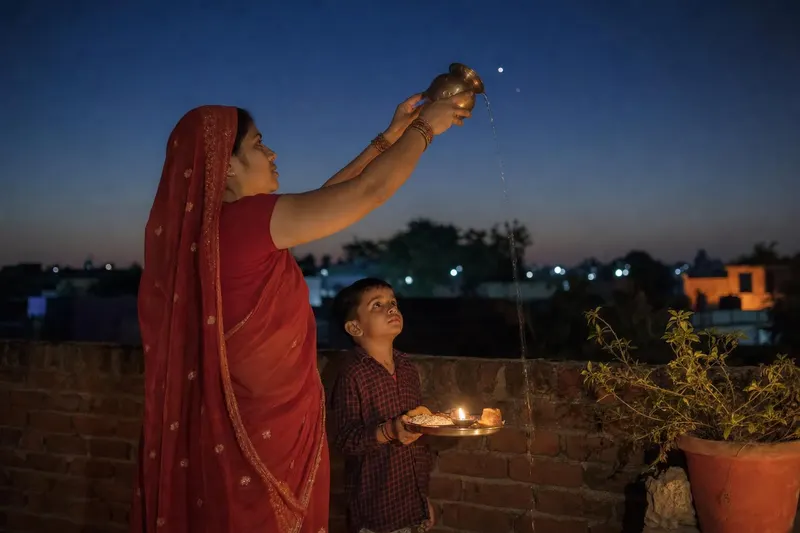
 Representational image
Chhath (छठ) is the great festival of Bihar, Jharkhand, eastern Uttar Pradesh and the Mithila region of Nepal, and is now kept wherever their families live. It is the only major festival in which both the setting and the rising sun are worshipped, with arghya offered standing in water. Its vratis, most often the women of the family, keep one of the strictest fasts of the year for the health, long life and wellbeing of their families.
When is Chhath in 2026?
- Nahay-Khay: Friday, 13 November
- Kharna: Saturday, 14 November
- Sandhya Arghya, to the setting sun: Sunday, 15 November
- Usha Arghya, to the rising sun, and parana: Monday, 16 November
The main day is the Shashthi, the sixth day of the bright half of Kartik. In New Delhi the Shashthi tithi runs from about 11:25 PM on 14 November to about 2:02 AM on 16 November. Arghya is offered at sunset and at sunrise, so go by your own city's times: sunset on 15 November is at about 5:27 PM in New Delhi, and earlier in Patna.
Why it is celebrated
Chhath is a thanksgiving to Surya Dev, the visible god who sustains all life, and to Chhathi Maiya, revered as Surya's sister and, in another belief, as Shashthi Devi, a protector of children. Popular tradition links the vrat to Karna, Surya's son, who offered arghya standing waist-deep in water every day; to Draupadi, who kept it for the Pandavas; and to Sita ji, who is said to have kept it after returning to Ayodhya.
ॐ भूर्भुवः स्वः। तत्सवितुर्वरेण्यं भर्गो देवस्य धीमहि। धियो यो नः प्रचोदयात्॥
We meditate on the glorious light of Savitr, the divine Sun; may he inspire our minds.
— Gayatri mantra, Rigveda 3.62.10, addressed to Savitr, the Sun
The four days
- Nahay-Khay: the vrati bathes, cleans the home and eats one sattvik meal, traditionally lauki-bhaat and chana dal cooked without onion or garlic.
- Kharna: a day-long fast, ended in the evening with kheer made with gud, and roti, offered first to Chhathi Maiya. After this prasad a fast of about 36 hours without water begins.
- Sandhya Arghya: in the evening the family goes to a river or pond with the daura and soop, and the vrati stands in the water to offer arghya to the setting sun.
- Usha Arghya: before dawn they return, and arghya is offered to the rising sun. The vrati then breaks the fast with prasad and water.
What goes into the soop
- Thekua (ठेकुआ) made of wheat flour, gud and ghee
- Rice laddoos (kasar), sugarcane, bananas and coconut
- Seasonal produce: singhara, sweet lime, radish, and fresh turmeric and ginger plants
- A diya and sindoor, all carried in the bamboo soop (सूप) and daura (दउरा)
Dos and don'ts
- Purity comes first: a clean kitchen, new or earthen utensils, and no onion, garlic or salt in the prasad.
- Do not taste the prasad before it is offered; even the family waits for the arghya.
- Help the vrati and carry the daura for her; serving a vrati is counted as part of the puja.
- Take care at the ghat: go with family, keep children close, and follow the safety rules of your local ghat.
Based on traditional texts and popular belief; tellings differ from region to region. A puja or seva is a prayer made with faith and cannot promise a result.