Deepdaan: the meaning of offering a lamp in Kartik
कार्तिक दीपदान का महत्व
Why the gift of light is the heart of Kartik, the Damodar leela, the kinds of deepdaan from the Yama deep to the akash deep, and how to offer a lamp at home.
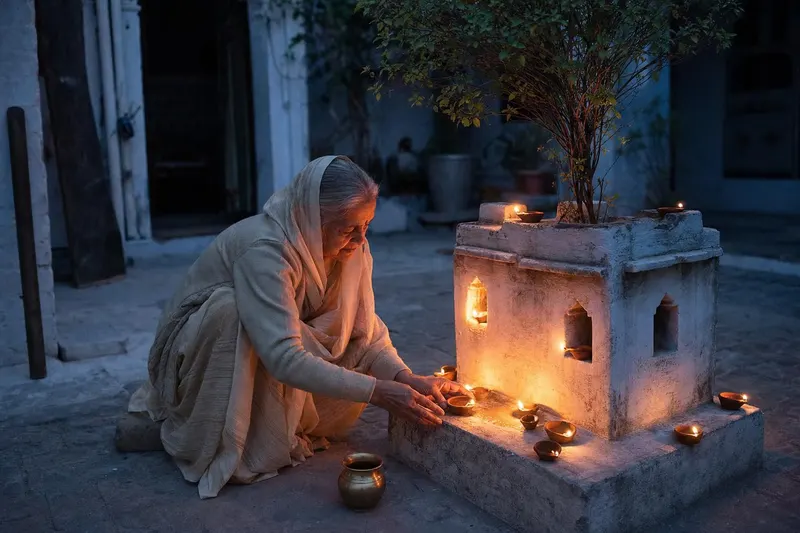
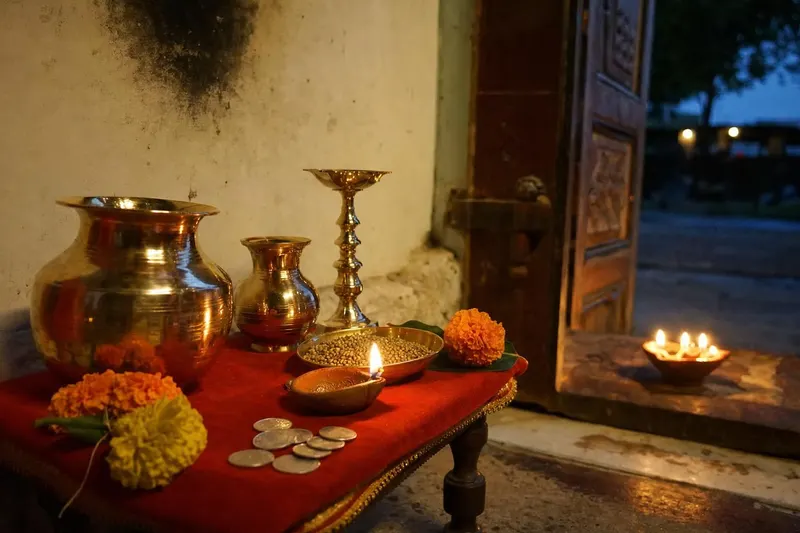
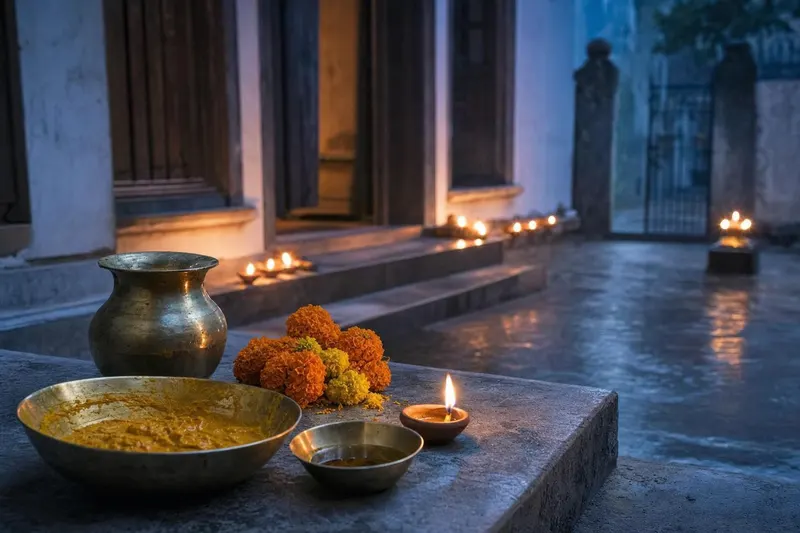
 Representational image
Deepdaan (दीपदान) means the gift of a lamp. It is among the simplest offerings, and in the month of Kartik among the most praised. The Kartik Mahatmya speaks of the punya of even a single lamp lit with devotion, and the month is full of festivals of light, from Dhanteras and Diwali to Dev Deepawali.
शुभं करोति कल्याणमारोग्यं धनसम्पदा। शत्रुबुद्धिविनाशाय दीपज्योतिर्नमोऽस्तु ते॥
Salutations to the light of the lamp, which brings auspiciousness, wellbeing, health and wealth, and destroys ill will.
— Deepa jyoti shloka, recited when lighting a lamp
What a single lamp stands for
A lamp's flame always rises, as the mind should; it dispels darkness without effort, as knowledge dispels ignorance; and one lamp can light a thousand others without losing any of its own light. The Upanishadic prayer asks for exactly this.
तमसो मा ज्योतिर्गमय।
Lead me from darkness to light.
— Brihadaranyaka Upanishad 1.3.28
Why Kartik is Damodar month
One Kartik morning, little Krishna broke a pot of curd and ate the butter. Maa Yashoda tried to tie him to a wooden mortar, but every rope fell two fingers short, until, moved by her love and effort, he let himself be bound. Tied at the waist (dama, rope; udara, waist), he came to be called Damodar (दामोदर). In Braj and in Vaishnav homes everywhere, devotees offer lamps to Damodar every evening of Kartik while singing the Damodarashtakam from the Padma Purana.
Kinds of deepdaan
- At the temple: a lamp before the deity every evening of Kartik.
- At the tulsi: a diya at the foot of the tulsi plant at dusk.
- On water: a lamp floated on a river or pond, often at dawn after the Kartik snan.
- Akash deep (आकाशदीप): a lamp raised high on a bamboo pole and lit through the month, traditionally to light the ancestors' path.
- Yama deep: a four-wick lamp facing south on Dhanteras, for protection from untimely death.
- For ancestors: lamps lit in the names of departed family members, especially on Diwali and Kartik Purnima.
How to offer a lamp at home
- Use a clean clay or brass diya with ghee or sesame oil and a cotton wick.
- Light it at dusk, facing east or north, and say the Deepa jyoti shloka or simply the Lord's name.
- Offer it before Lord Vishnu, the tulsi or your family deity, with a flower and a moment of quiet prayer.
- Let it burn out on its own; if you must put it out, do it with a flower rather than by blowing on it.
How many lamps?
Any number offered with devotion is complete. Families often choose 11, 51 or 108, numbers considered auspicious, and some light one lamp every evening of the month. Ghee lamps are considered the purest, and sesame oil is traditional for lamps offered for ancestors and for Yamraj.
Based on traditional texts and popular belief; tellings differ from region to region. A puja or seva is a prayer made with faith and cannot promise a result.