Diwali 2026: Lakshmi Puja date, muhurat and vidhi
दीपावली 2026: लक्ष्मी पूजन
Sunday, 8 November. Why lamps light up the Amavasya of Kartik, how to do Lakshmi–Ganesh puja at home, what to offer, and the evening muhurat.
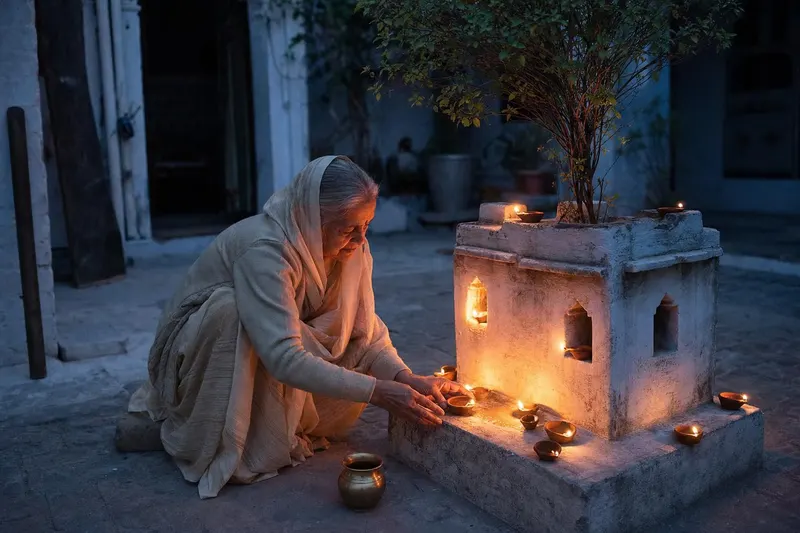
 Representational image
Diwali (दीपावली), the row of lamps, is celebrated on the Amavasya of Kartik, the darkest night of the month. Homes are cleaned and lit, and in the evening families worship Maa Lakshmi together with Ganesh ji, praying for prosperity, wisdom and a home filled with light.
When is Diwali in 2026?
Diwali falls on Sunday, 8 November 2026. In New Delhi the Amavasya tithi begins at about 11:28 AM on 8 November and ends at about 12:32 PM on 9 November, so the evening of the 8th is the night of Lakshmi Puja. The puja is best done in the pradosh after sunset (about 5:31 PM in New Delhi), and many families choose the steady Vrishabha lagna, roughly 5:55 to 7:50 PM in New Delhi. Times change from city to city, so check your local panchang.
Why it is celebrated
The best-known story is Shri Ram's return to Ayodhya after fourteen years of exile and his victory over Ravana; tradition holds that the people of Ayodhya lit rows of lamps to welcome him home. Diwali night is also Maa Lakshmi's night, when she is believed to visit homes that are clean, lit and full of devotion. In Bengal and eastern India the same night is Kali Puja; Jains remember the nirvana of Bhagwan Mahavir, and Sikhs celebrate Bandi Chhor Divas.
How to do Lakshmi Puja at home
- Clean the home, make a rangoli at the door and hang a toran of mango leaves or marigolds.
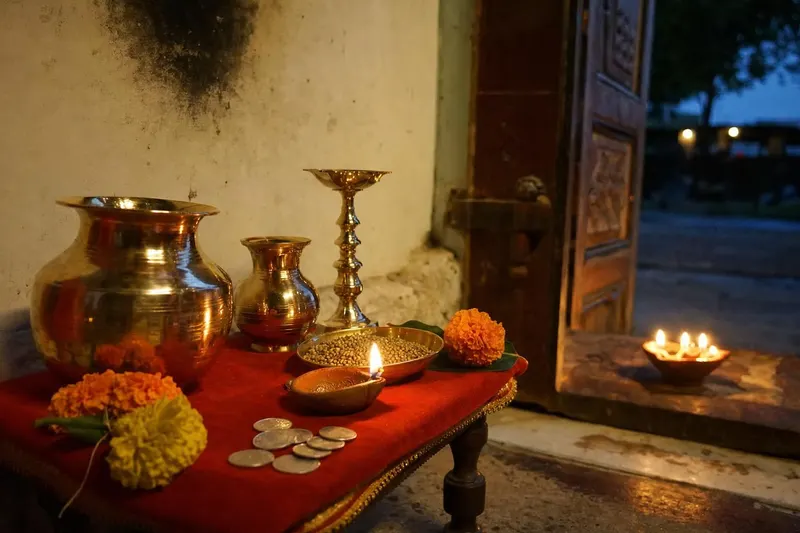
- Set up a chowki with a red cloth, facing north or east, with Ganesh ji and Maa Lakshmi side by side and a kalash of water with mango leaves and a coconut.
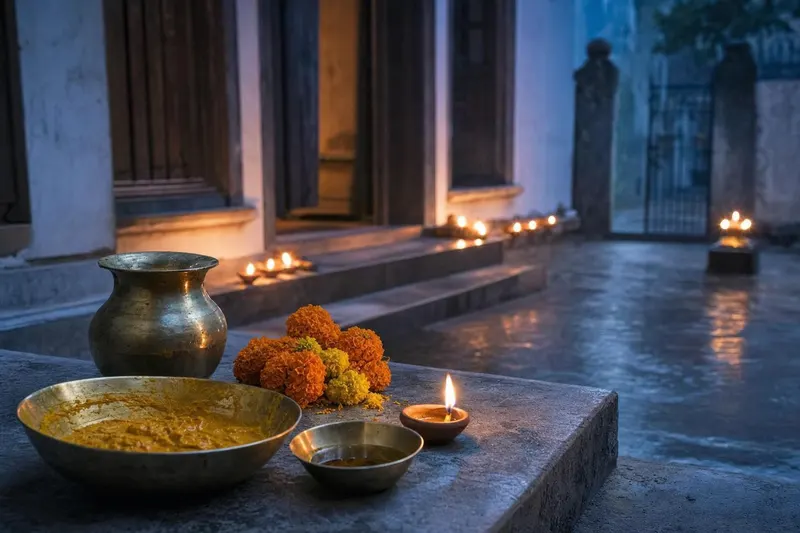
- Light a large ghee diya that can burn through the night, and small diyas around it.
- Take a sankalp, worship Ganesh ji first, then Maa Lakshmi, Kuber and the kalash, with roli, rice, flowers, kheel-batashe and sweets.
- Many business families also worship their new account books (bahi-khata, बही-खाता) and the cash box.
- Do the aarti together, light diyas all through the home, and share the prasad.
ॐ श्रीं ह्रीं श्रीं कमले कमलालये प्रसीद प्रसीद श्रीं ह्रीं श्रीं ॐ महालक्ष्म्यै नमः॥
Om, O Lakshmi who dwells in the lotus, be gracious, be gracious; salutations to Mahalakshmi.
— Mahalakshmi mantra, traditionally chanted in the Diwali puja
What to offer
- Lotus or red flowers, roli, rice and a ghee diya
- Kheel and batashe (खील-बताशे), the traditional Diwali prasad, with sweets and fruit
- A silver or gold coin, kept in the puja and then in the safe
- The coriander seeds from Dhanteras, kamal gatta and a few dry fruits
Dos and don'ts
- Worship Ganesh ji before Maa Lakshmi; no puja begins without him.
- Keep one lamp burning through the night if you can do so safely.
- Keep the home clean and lit; tradition holds that Maa Lakshmi enters where there is light and order.
- Be careful with lamps, candles and firecrackers, and follow local rules on crackers and air quality.
- Share sweets with neighbours, helpers and those who have less; Diwali is happiest when it reaches everyone.
Based on traditional texts and popular belief; tellings differ from region to region. A puja or seva is a prayer made with faith and cannot promise a result.